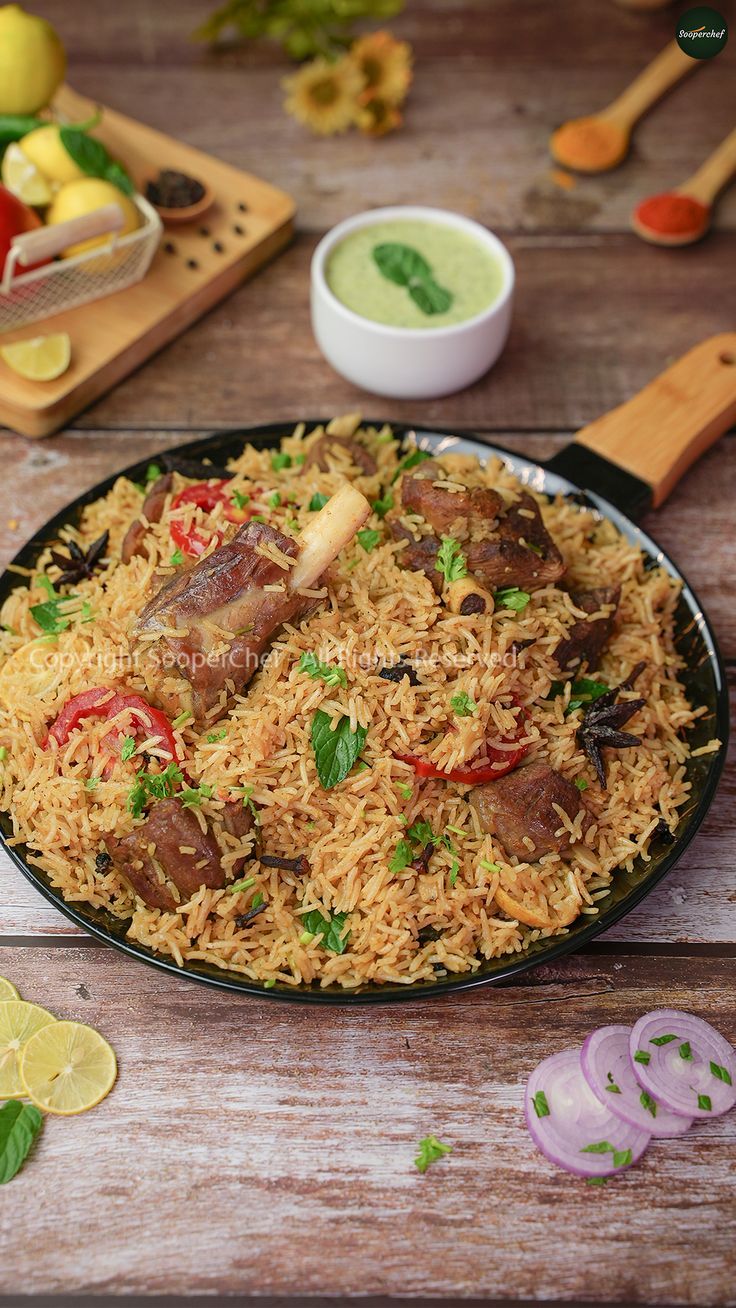
Introduction to Mutton Yakhni Pulao
Mutton Yakhni Pulao is a classic and aromatic rice dish known for its delicate flavors and rich aroma. Unlike spicy biryani, this pulao focuses on the natural taste of mutton and fragrant basmati rice cooked in a flavorful broth called yakhni. It is widely enjoyed across Pakistan and North India and is often prepared for family meals, special occasions, and traditional gatherings.
Cultural and Traditional Importance
Mutton Yakhni Pulao has deep roots in traditional home cooking, especially in Punjabi and Mughlai cuisine. It is considered a refined dish that reflects balance and simplicity rather than heavy spices. The slow preparation of yakhni showcases patience and skill, making this pulao a symbol of comfort, hospitality, and cultural heritage.
What Makes Yakhni Pulao Unique
The uniqueness of Mutton Yakhni Pulao lies in its clear, aromatic broth. Instead of using spice-heavy masala, the dish relies on whole spices simmered with mutton to extract deep flavor. The rice absorbs this broth, resulting in a light yet deeply satisfying dish where each grain remains separate and fragrant.
Essential Ingredients Overview
The main ingredients include bone-in mutton, basmati rice, onions, and whole spices such as bay leaves, cinnamon sticks, green cardamom, black cardamom, cloves, cumin seeds, and black peppercorns. Ginger and garlic add warmth, while green chilies provide mild heat. Cooking oil or ghee enhances richness, and fresh coriander is used for garnish.
Preparation Before Cooking
Proper preparation ensures the best results. Mutton should be washed thoroughly and cut into medium-sized pieces. Basmati rice is washed several times and soaked for at least thirty minutes to ensure even cooking. Whole spices are tied in a muslin cloth or added directly for easy removal later. Onions are thinly sliced, and ginger-garlic is crushed fresh.
Preparing the Yakhni Broth
To prepare yakhni, mutton is placed in a large pot with water, whole spices, ginger, garlic, salt, and green chilies. This mixture is simmered on low to medium heat until the mutton becomes tender and the broth turns rich and aromatic. Slow cooking allows the bones to release flavor, which is essential for authentic yakhni pulao.
Straining and Measuring Yakhni
Once the mutton is tender, it is removed from the broth and set aside. The yakhni is strained to remove whole spices, resulting in a clear, fragrant stock. Measuring the broth is important, as the rice-to-liquid ratio determines the final texture of the pulao. The yakhni should be flavorful but not overpowering.
Cooking the Mutton Base
In a separate heavy-bottomed pot, oil or ghee is heated and sliced onions are fried until golden brown. The cooked mutton is added to the onions and sautéed gently. This step enhances the meat’s flavor and adds depth to the pulao. A small amount of ginger or green chili may be added for extra aroma.
Adding Rice and Yakhni
Soaked basmati rice is drained and added to the pot with mutton. The rice is stirred gently to coat it with oil and meat juices. Measured yakhni broth is then added, ensuring the rice is fully submerged. This step allows the rice to absorb the aromatic flavors of the broth.
Balancing Flavor and Aroma
At this stage, seasoning is adjusted carefully. Since yakhni pulao is meant to be mild, spices should not overpower the natural taste of mutton. A pinch of black pepper or cumin enhances aroma without adding heat. The mixture is brought to a gentle boil before reducing heat.
Dum Cooking Technique
Once most of the liquid is absorbed and rice appears on the surface, the pot is covered tightly and cooked on very low heat. This dum process allows the rice to finish cooking in steam while absorbing all remaining flavors. Proper dum cooking ensures fluffy rice and tender meat without burning.
Resting and Fluffing the Rice
After dum cooking, the pulao is allowed to rest for a few minutes before opening the lid. Resting helps stabilize the texture and prevents rice from breaking. The rice is gently fluffed with a fork or spoon to separate grains and distribute mutton evenly.
Traditional Garnishing
Mutton Yakhni Pulao is usually garnished lightly to maintain its subtle character. Fresh coriander leaves and thinly sliced green chilies are commonly used. Some people also add fried onions for a mild sweetness and visual appeal. Garnishing should enhance, not overpower, the dish.
Serving Suggestions
This pulao is best served hot with simple sides. Yogurt raita, kachumber salad, or sliced onions complement its mild flavor. Lemon wedges can be served on the side for those who prefer a hint of acidity. The simplicity of accompaniments highlights the pulao’s natural taste.
Tips for Perfect Yakhni Pulao
Using bone-in mutton is essential for a flavorful yakhni. Always cook yakhni slowly to extract maximum aroma. Avoid excess spices to preserve the dish’s identity. High-quality basmati rice ensures long, separate grains. Accurate measurement of broth prevents mushy or undercooked rice.
Popular Variations
Some regional variations include adding a small amount of yogurt to the mutton base for richness. Others use beef instead of mutton for a slightly different flavor. Despite variations, the foundation of aromatic yakhni and mild seasoning remains the same across styles.
Nutritional Value and Balance
Mutton Yakhni Pulao provides a balanced combination of protein and carbohydrates. Mutton supplies protein and essential minerals, while rice provides energy. The use of whole spices adds digestive benefits. When prepared with moderate oil, it can be enjoyed as part of a balanced diet.