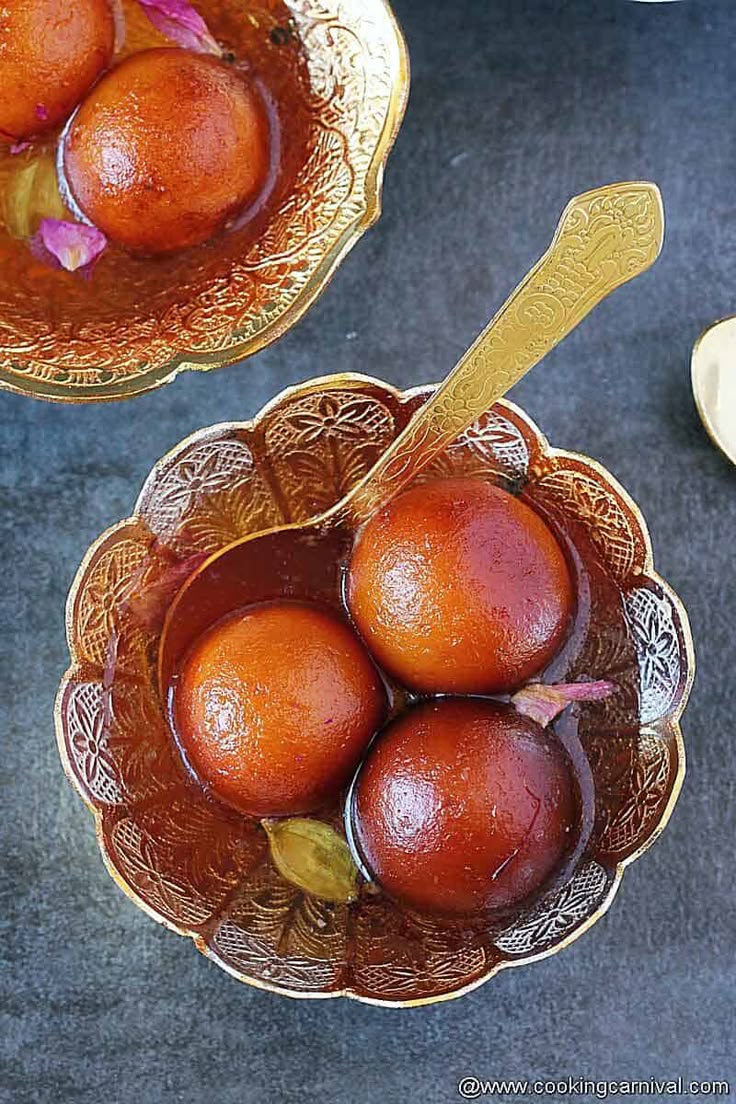
Introduction to Gulab Jamun
Gulab Jamun is one of the most popular and beloved traditional desserts of South Asia. Known for its soft texture, rich taste, and fragrant sugar syrup, this sweet dish is enjoyed across Pakistan, India, and neighboring regions. Gulab Jamun is commonly prepared for festivals, weddings, religious occasions, and family celebrations, making it a symbol of joy and hospitality.
Historical and Cultural Background
The origins of Gulab Jamun can be traced back to Persian and Middle Eastern influences that reached the Indian subcontinent during medieval times. The word Gulab refers to rose-scented syrup, while Jamun describes the deep brown color resembling the jamun fruit. Over time, the recipe evolved using local ingredients such as milk solids, becoming an essential part of South Asian dessert culture.
What Makes Gulab Jamun Special
Gulab Jamun stands out because of its melt-in-the-mouth softness and delicate sweetness. The balance between the fried milk-based balls and lightly flavored sugar syrup creates a comforting and indulgent experience. When prepared correctly, Gulab Jamun absorbs syrup evenly, becoming juicy inside while maintaining its shape.
Essential Ingredients Overview
The main ingredients for Gulab Jamun include milk powder or khoya, all-purpose flour, baking powder, and ghee or oil for frying. Milk is used to bind the dough, while sugar, water, cardamom, and rose water or kewra essence form the syrup. Each ingredient plays a vital role in achieving the correct texture and flavor.
Preparation Before Cooking
Before starting, all ingredients should be measured accurately. Milk powder or khoya should be free of lumps. Sugar syrup ingredients should be prepared in advance so the syrup is ready when the jamuns are fried. Proper preparation ensures smooth cooking and prevents texture issues.
Making the Sugar Syrup
To prepare the syrup, sugar and water are combined in a saucepan and cooked over medium heat until the sugar dissolves completely. Cardamom pods or powder are added for aroma. The syrup should be slightly thick but not sticky. A few drops of rose water or kewra essence are added at the end to enhance fragrance. The syrup is kept warm for soaking the jamuns.
Preparing the Dough
In a bowl, milk powder or khoya is mixed with all-purpose flour and baking powder. Milk is added gradually to form a soft and smooth dough. The dough should not be kneaded heavily, as overworking can make the jamuns hard. A gentle mix ensures softness and proper shape.
Shaping the Gulab Jamun
Small portions of dough are taken and rolled gently between palms to form smooth, crack-free balls. Any cracks can cause the jamuns to break while frying. The balls should be small, as they expand after frying and soaking in syrup.
Frying Technique
Ghee or oil is heated on low to medium heat for frying. The shaped dough balls are added carefully and fried slowly, stirring gently for even color. Low heat is essential to ensure the jamuns cook evenly from inside without burning on the outside. They are fried until deep golden brown.
Soaking in Sugar Syrup
Once fried, the hot jamuns are transferred directly into warm sugar syrup. This temperature difference helps them absorb syrup efficiently. The jamuns are allowed to soak for several hours, during which they become soft, juicy, and flavorful.
Achieving Perfect Texture
The perfect Gulab Jamun should be soft, spongy, and moist from the inside. Proper frying temperature, correct dough consistency, and adequate soaking time are key factors. Avoid overcrowding during frying to maintain even cooking.
Flavor Enhancements
Additional flavors can be introduced by adding saffron strands to the syrup or stuffing the jamuns with chopped nuts. These enhancements add richness and elevate the dessert while keeping its traditional essence intact.
Serving Suggestions
Gulab Jamun can be served warm or at room temperature, depending on preference. It is often enjoyed on its own or paired with vanilla ice cream for a modern twist. Serving it fresh enhances its aroma and texture.
Storage and Shelf Life
Gulab Jamun can be stored in sugar syrup in the refrigerator for several days. Reheating gently before serving restores softness. Proper storage helps maintain flavor and prevents drying.
Popular Variations
Different variations of Gulab Jamun exist, including dry Gulab Jamun, stuffed Gulab Jamun, and instant versions using ready-made mixes. Some regions use khoya for a richer taste, while others prefer milk powder for convenience.
Nutritional Value and Moderation
Gulab Jamun is a rich dessert high in carbohydrates and fats due to sugar and frying. While it provides quick energy and satisfaction, it is best enjoyed in moderation as part of a balanced diet.