Introduction to Chicken Karahi
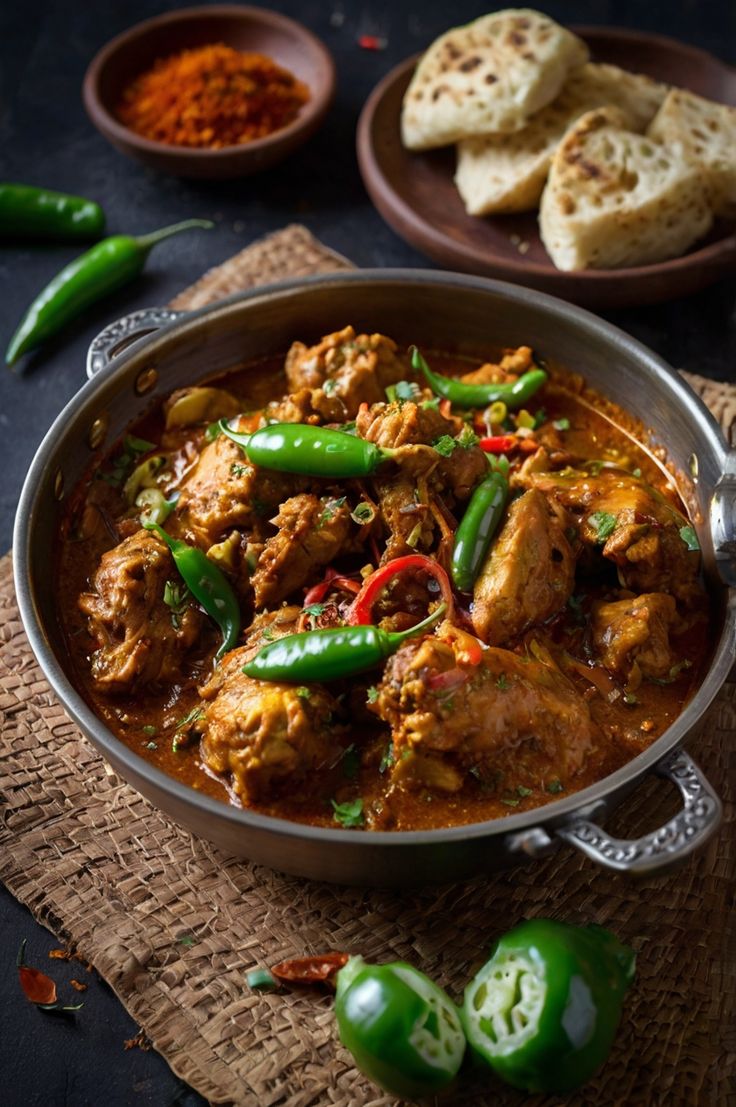
Chicken Karahi is one of the most loved and iconic dishes of Pakistani and North Indian cuisine. Known for its rich tomato base, aromatic spices, and distinctive cooking style, this dish is traditionally prepared in a thick, deep cooking pot called a karahi. The recipe is famous for its bold flavors, simple ingredients, and restaurant-style taste that can also be achieved easily at home. Chicken Karahi is often served sizzling hot and enjoyed with naan, roti, or fresh tandoori bread, making it a centerpiece of family meals and festive gatherings.
Origin and Cultural Importance
The name Karahi comes from the utensil used to cook the dish, which resembles a wok but is heavier and deeper. This dish originated in the Indian subcontinent and quickly became popular across Pakistan, where it is considered a national favorite. Chicken Karahi is commonly prepared in roadside eateries, restaurants, and homes, especially during celebrations, weekends, and special occasions. Its popularity lies in the fact that it does not rely on heavy gravies or excessive spices, instead focusing on fresh tomatoes, green chilies, and ginger for flavor.
Why Chicken Karahi is Special
Chicken Karahi stands out because of its fresh and robust taste. Unlike many curries that use onions and complex spice blends, this dish highlights the natural flavor of chicken combined with tomatoes and a few essential spices. The cooking method allows the chicken to absorb all the flavors while staying tender and juicy. The use of freshly crushed ginger, garlic, and green chilies adds heat and aroma, while a finishing touch of coriander and ginger juliennes enhances both taste and presentation.
Essential Ingredients Overview
To prepare an authentic Chicken Karahi, a few basic ingredients are required, most of which are easily available in every kitchen. Fresh chicken on the bone is preferred for maximum flavor. Ripe tomatoes form the base of the gravy and should be finely chopped or crushed. Ginger and garlic are used generously to give the dish its signature aroma. Green chilies add spice, while red chili powder, salt, and crushed black pepper provide heat and seasoning. Cooking oil or ghee is used for frying, and fresh coriander leaves are added at the end for garnish.
Preparation Before Cooking
Before starting the cooking process, proper preparation is essential to ensure a smooth experience. Wash the chicken thoroughly and cut it into medium-sized pieces. Finely chop or crush fresh tomatoes to achieve a smooth texture in the gravy. Crush ginger and garlic separately or together, depending on preference. Slit green chilies lengthwise to release their heat without overpowering the dish. Keeping all ingredients ready beforehand helps maintain the cooking flow and prevents overcooking.
Cooking Method Step by Step
Begin by heating oil or ghee in a karahi or a heavy-bottomed pan over medium heat. Add crushed ginger and garlic and sauté until fragrant, making sure they do not burn. Add the chicken pieces and cook on high heat, stirring frequently until the chicken changes color and releases its natural juices. This step is important as it seals the flavor inside the meat. Once the chicken is lightly browned, add salt and red chili powder according to taste.
Adding Tomatoes and Spices
After the chicken is well sautéed, add the crushed or finely chopped tomatoes to the pan. Stir well and cook on medium heat until the tomatoes soften and blend into a thick gravy. This process may take some time, but patience is key to achieving the authentic taste of Chicken Karahi. As the tomatoes cook, oil will start separating from the mixture, indicating that the gravy is ready. At this stage, add crushed black pepper and slit green chilies for an extra layer of flavor.
Final Cooking and Texture Adjustment
Once the gravy reaches the desired consistency, reduce the heat and let the chicken simmer for a few minutes. This allows the flavors to meld together and ensures the chicken is fully cooked and tender. If the gravy appears too thick, a small amount of water can be added, but traditional Chicken Karahi usually has a thick, semi-dry consistency. Stir gently to avoid breaking the chicken pieces while ensuring even cooking.
Garnishing and Aroma Enhancement
The final step in preparing Chicken Karahi is garnishing, which plays a vital role in enhancing its aroma and presentation. Add freshly chopped coriander leaves and thin slices of fresh ginger on top of the dish. Some people also like to add a squeeze of lemon juice at the end to balance the richness of the gravy with a hint of acidity. Cover the pan for a minute after garnishing to allow the aromas to settle into the dish.
Serving Suggestions
Chicken Karahi is best served hot and fresh straight from the pan. It pairs perfectly with naan, tandoori roti, or plain chapati. A side of fresh salad consisting of onions, cucumbers, and tomatoes complements the rich flavors of the dish. Yogurt-based raita or simple plain yogurt can also be served to balance the spice level. This dish is ideal for lunch, dinner, or special gatherings where traditional flavors are appreciated.
Tips for Restaurant-Style Taste
To achieve a restaurant-style Chicken Karahi at home, always use fresh ingredients, especially tomatoes and green chilies. Cooking on high heat initially helps develop a deeper flavor. Avoid adding too many spices, as the dish is meant to highlight the freshness of its core ingredients. Using a karahi or heavy pan ensures even heat distribution, which is essential for proper cooking. Lastly, patience during the tomato cooking stage is crucial for authentic taste.
Variations of Chicken Karahi
There are several regional and personal variations of Chicken Karahi. Some versions include the addition of capsicum or bell peppers for extra texture and flavor. Others use yogurt to create a slightly creamier gravy. White Chicken Karahi is another popular variation that uses yogurt and cream instead of tomatoes, resulting in a milder yet rich taste. Despite these variations, the classic tomato-based Chicken Karahi remains the most popular and widely enjoyed.
Nutritional Value and Balance
Chicken Karahi is not only flavorful but also provides good nutritional value when consumed in moderation. Chicken is a high-quality source of protein, essential for muscle growth and overall health. The use of tomatoes adds vitamins and antioxidants, while ginger and garlic offer digestive and immunity-boosting benefits. By controlling the amount of oil and spices, this dish can be enjoyed as part of a balanced diet.
Conclusion
Chicken Karahi is a timeless dish that represents the heart of traditional South Asian cooking. Its simplicity, rich flavor, and cultural significance make it a favorite across households and restaurants alike. With the right ingredients, proper technique, and a little patience, anyone can prepare a delicious and authentic Chicken Karahi at home. This recipe proves that great taste does not always require complexity, only fresh ingredients and a love for cooking.